Are You Ready
For Adventure
Learn to fly paramotors,
the proper way.
From Zero
No experience needed — we start with the fundamentals and build from there, one flight at a time.
Own Your Sky
Choose your course and instructor, and fly over some of South Africa's best flying country.
Track Your Progress
Every lesson logged — always know exactly where you stand on the road to your licence.
Nirvana Aero Academy trains South Africa's next paramotor pilots under a CAA-recognised syllabus — structured lessons, real proficiency tracking, and an instructor who signs off every milestone in person.
Gallery
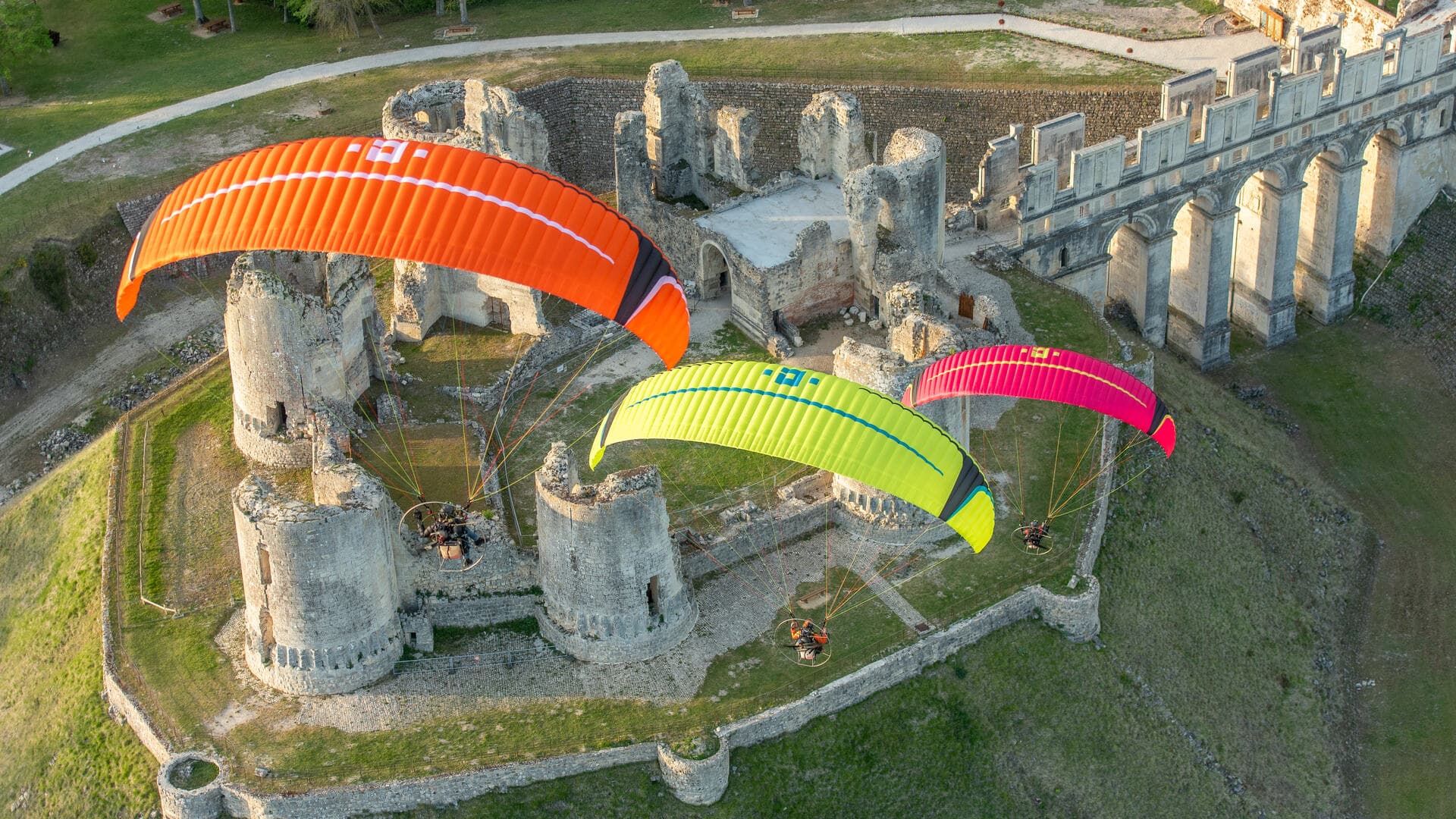
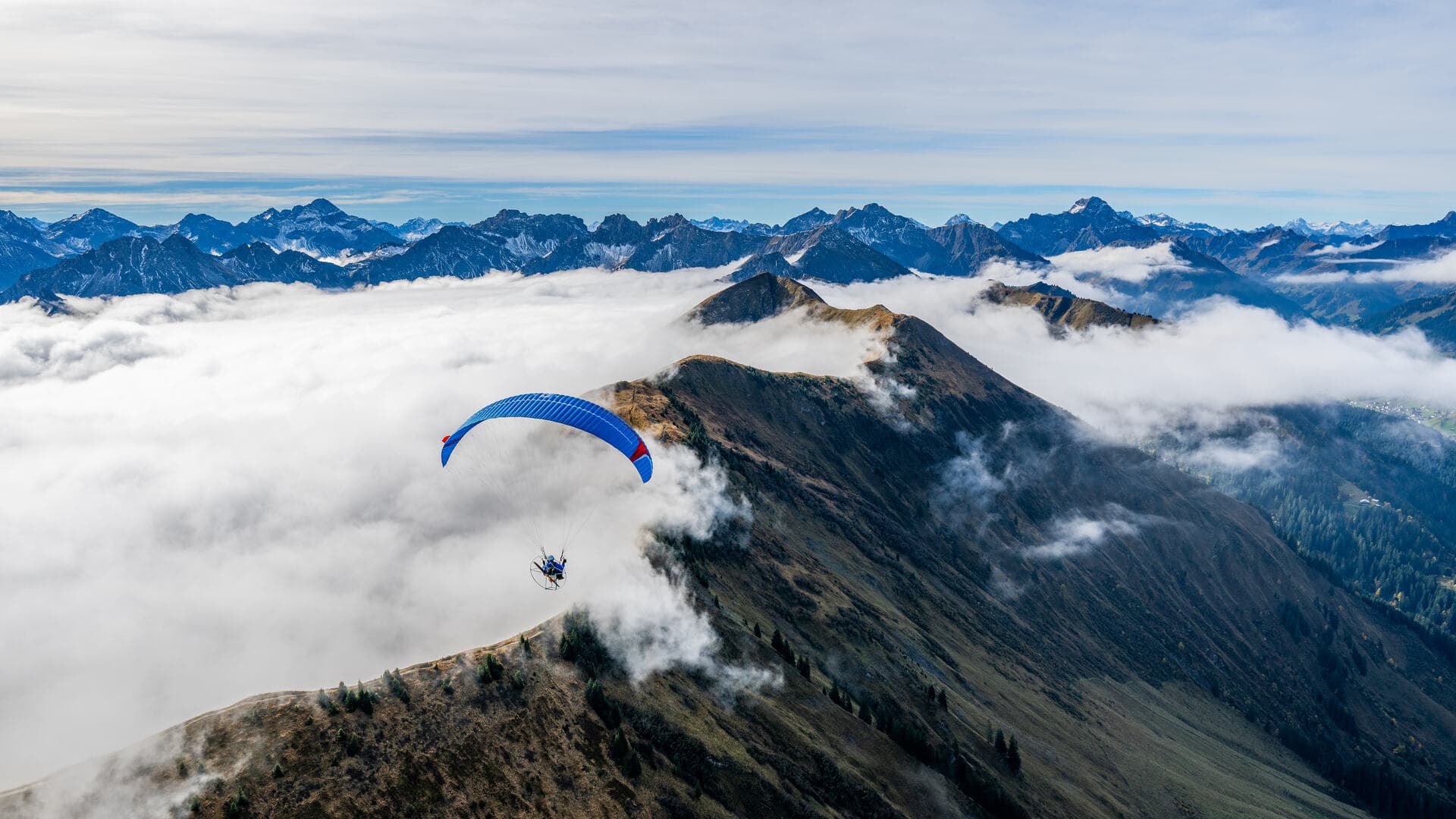
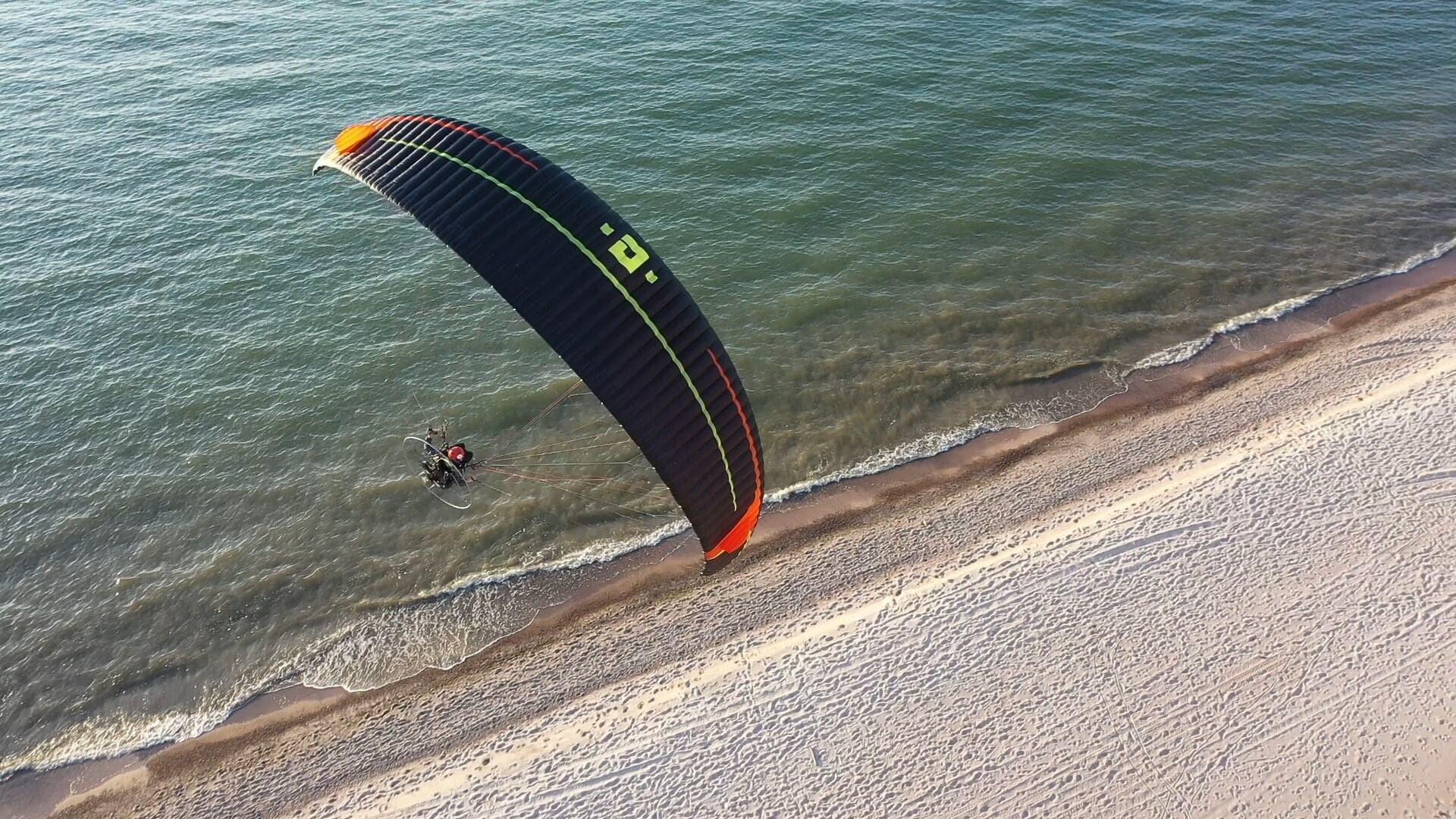
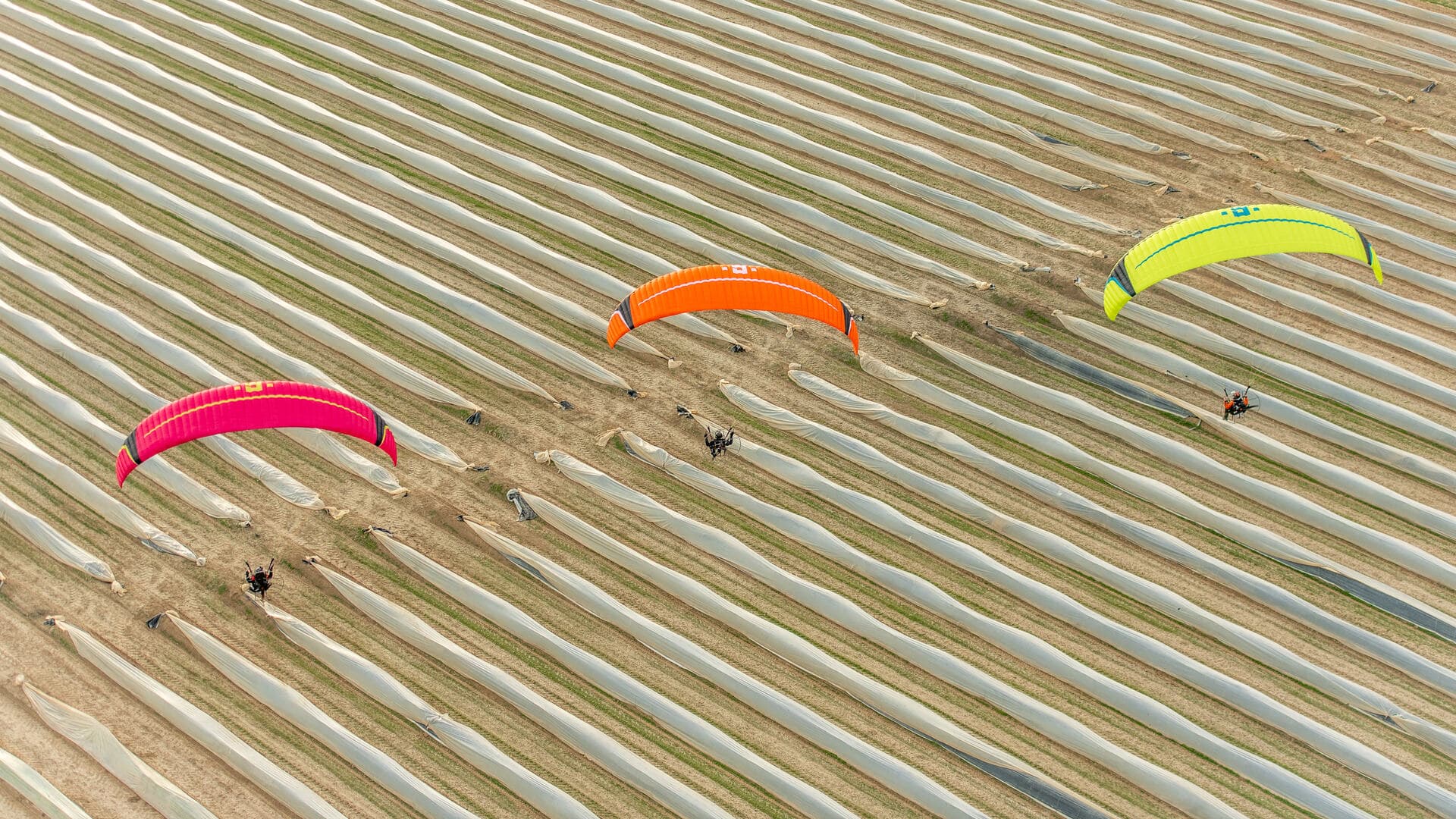
A taste of what's up there
A glimpse of the terrain, colours and conditions our pilots fly in.
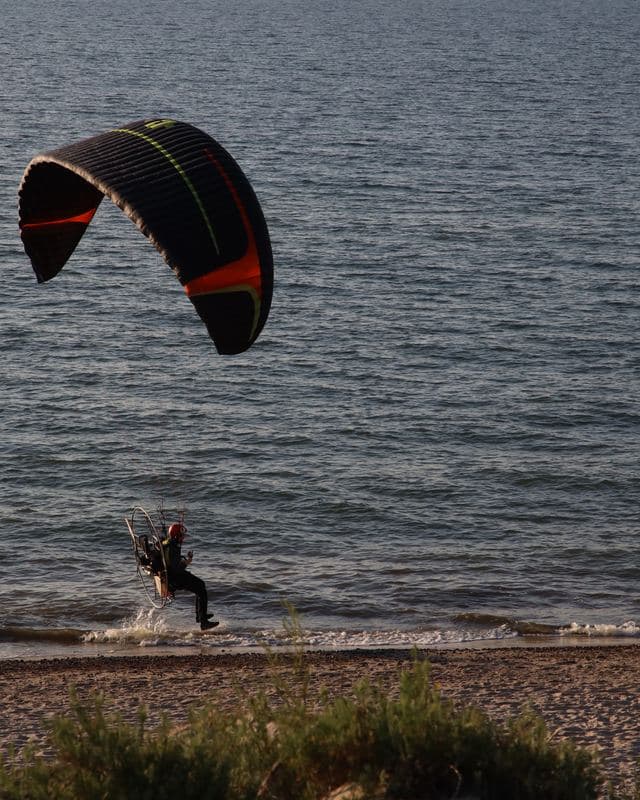
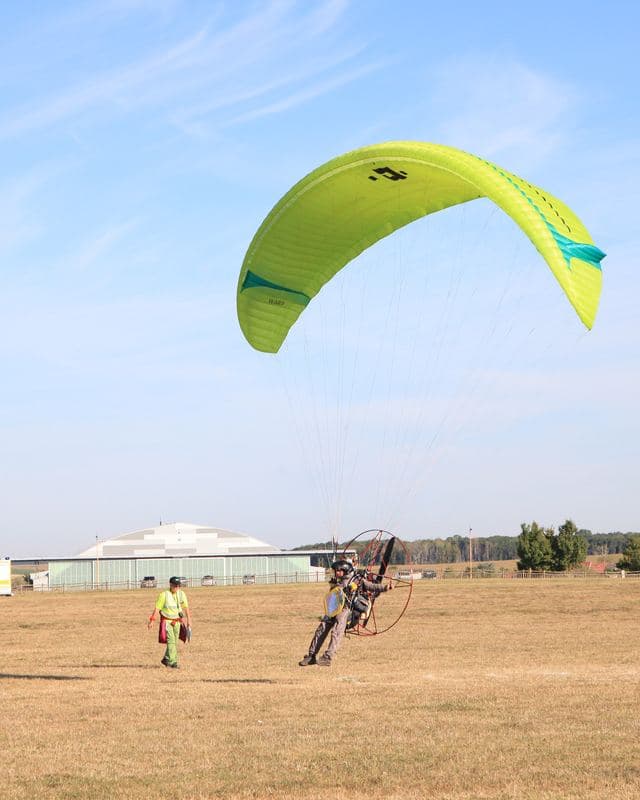
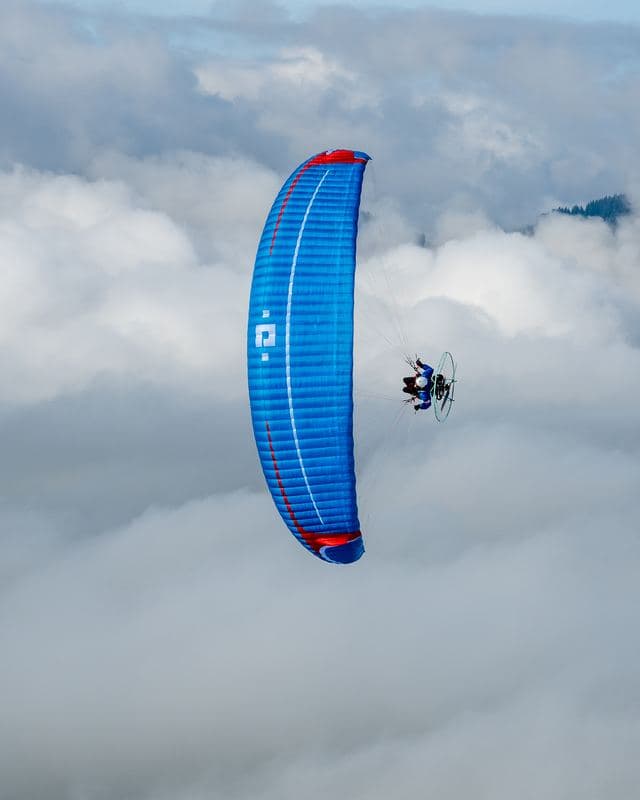
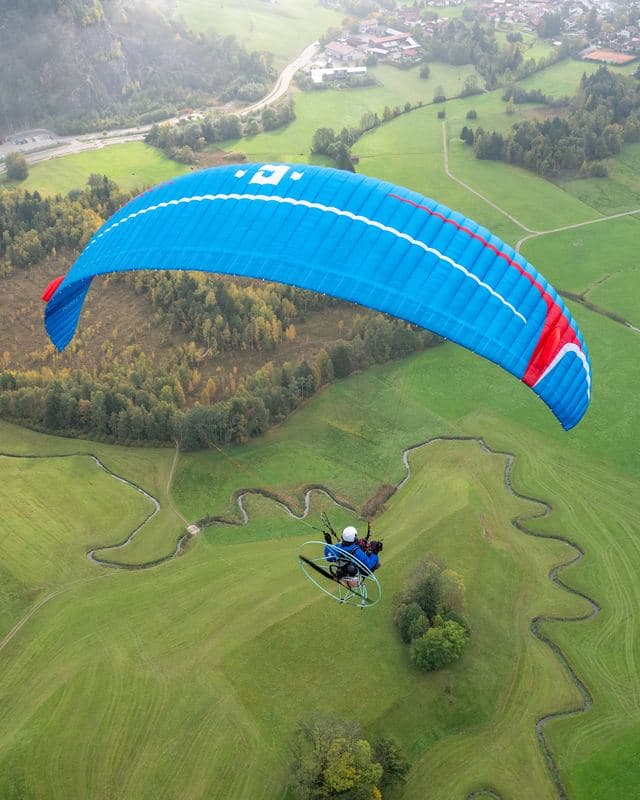
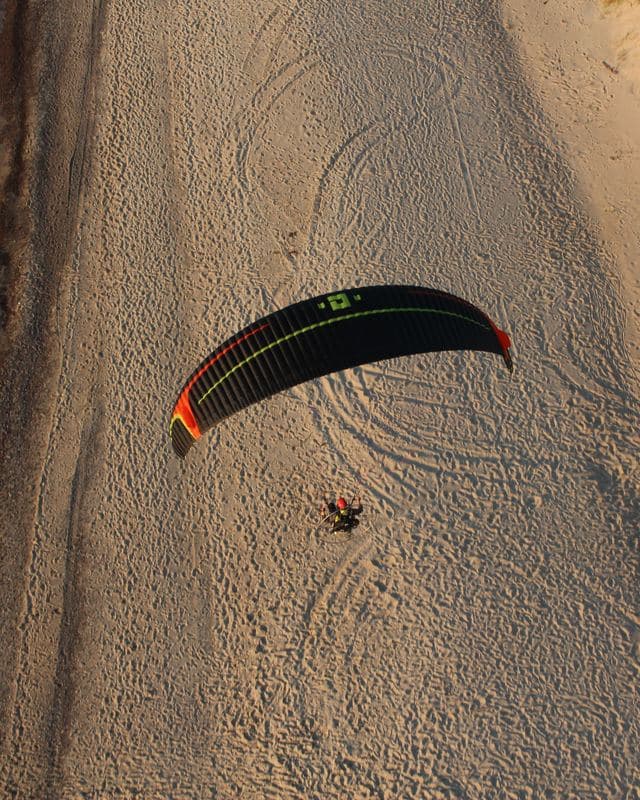
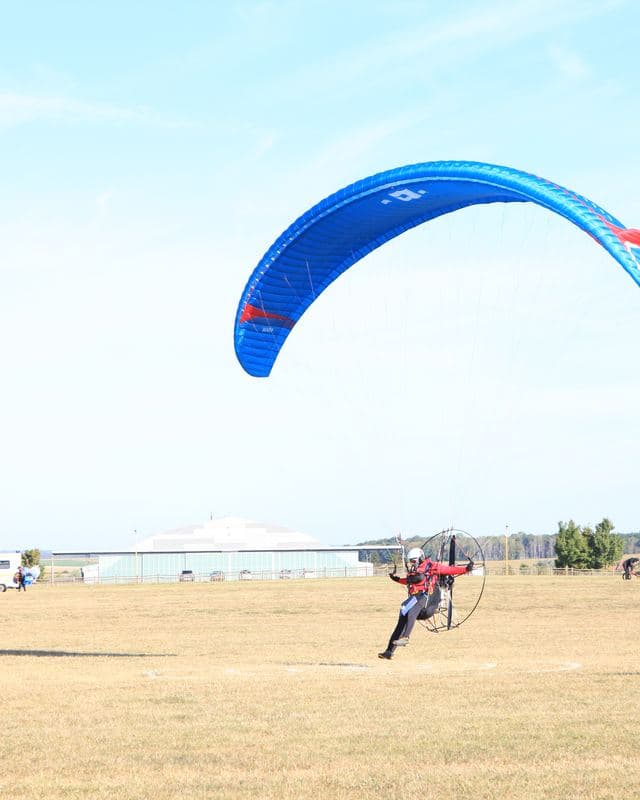
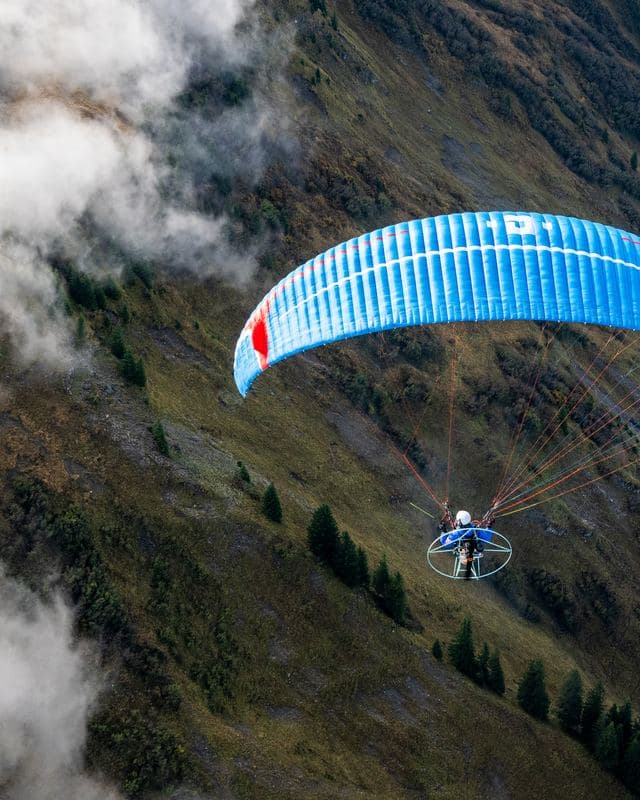
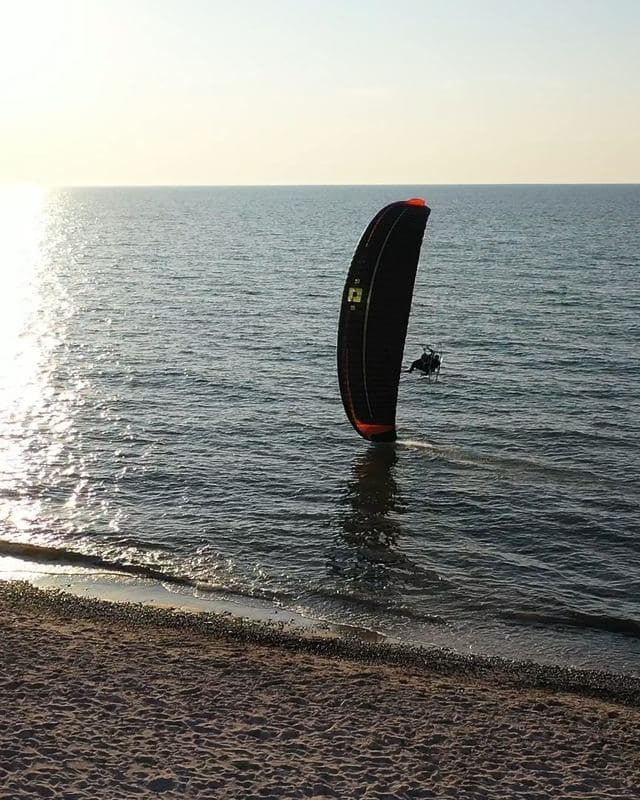
Scroll for more — a taste of the skies our students get to fly.
What can a student expect?
Training at Nirvana Aero Academy is built on four elements that develop together, not in isolation: Knowledge (theory, taught through lectures and this manual — the foundation everything else sits on), Skill (the physical ability to fly manoeuvres and handle changing conditions), Experience (time spent actually flying, which is what builds real confidence and judgement), and Airmanship (the mature, disciplined attitude — good judgement, situational awareness, and self-discipline — that ties the other three together into a genuinely safe pilot).
Progression follows a building-block method: each lesson is deliberately sequenced from easy to more difficult, from low altitude to higher, from simple tasks to complex ones — without skipping steps, even if a student feels ready to move faster. Broadly, a student's development moves through ground handling, altitude flight, ridge and thermal work, and eventually cross-country flying, with each stage built on a solid foundation in the one before it.
Every exercise taught is recorded on the student's Training Proficiency Card, signed off by both instructor and student once competency is demonstrated — not just attempted. This record travels with the student's file for the life of their training, and is what instructors and the Chief Flight Instructor use to confirm a student is genuinely progressing, not just accumulating flight time.
Expect training to feel systematic rather than rushed: lessons build on each other in a fixed order for good reason, ground school and flying are treated as equally important, and an instructor holding a student back on a particular lesson is a sign of the process working correctly, not a setback.
Each lesson in this manual also points you to the relevant sections of the SAHPA Training Manual and The Complete Paramotor Pilot's Book of Knowledge — reading those sections before or alongside a lesson will give you more detail, illustrations, and worked examples than this manual alone provides.
Syllabus
7 Stages
23-lesson syllabus
Every lesson pairs theory with a short review quiz, grouped here by stage of training — hover a stage to see the lessons.
- 1.Familiarisation with the Glider and Equipment
- 2.Preparation for Flight & Action After Flight
- 3.Air Experience
- 4.Effects of Controls
- 5.Ground Handling
- 6.Take Off
- 7.Straight Glide (Ground Skimming)
- 8.Landing
- 9.Turning
- 10.Slow Flight
- 11.Circuit, Approach and Landing
- 12.Climbing
- 13.Descending
- 14.Descending and Climbing Turns
- 15.Winch Launch (Theory)
- 17.Steep Turns
- 18.Use of Instruments
- 19.Action in the Event of Fire
- 21.Out Landings
- 23.Unusual and Dangerous Attitudes / Conditions
- 20.Starting the Engine in Flight
- 22.Top Landing
- 24.Loose Formation / Gaggle Flying & Air Law
Courses
Find your path into the sky
Three ways to start, from a single taster flight to a full instructor rating — pick the path that matches where you're at.
Discovery Flight
A tandem flight with an instructor — no licence, no experience, just the feeling of flight before you commit.
Full PPG Training
Ground school through to solo flight and your licence, paced around you with one-on-one instruction.
Instructor Pathway
For licensed pilots ready to teach — build the hours and rating to bring others into the sport.
Testimonials
Student stories
Real feedback from Nirvana Aero Academy students.
“I have Joined Nirvana through a friend how invited me to see how ppg works .from day one i got hood and never stand back. My wife also got hooked up with ppg and started of at evergreen with training and work with Reaan Swampoel how took me on solo and after I have been doing all 35 flights and training from Reaan.he is a good gay and have alot of passion in his training. I have not met Mr JP master of Nirvana academy yet but had met the legend Eugene Cussons and had some lessons with him and some business done on Nirvana parts .ha was unfortunate taken to soon from all our ppg friends..(R.i.P) I will recommend anyone to Train with Nirvana academy. Is a great team and they go the extra mile to surf there students Tanks to JP for keep going and fighting to get all students active my God bless you buddy”
— Nirvana Aero Academy student
“What stood out to me most was the instructor’s incredible patience, passion, and enthusiasm. I walked away from every training session feeling positive, encouraged, and even more motivated for the next one. And then comes that unforgettable moment when all the training, practice, and hard work finally come together, and you find yourself in the air for your very first flight. That feeling is absolutely priceless! 🪂✨”
— Nirvana Aero Academy student
“Jean-Pierre loves the sport, and he makes no secret of it. He is always on time and unbelievably excited about helping students progress through the training programme. Learning to fly a paramotor was not easy. It demanded focus, time, energy and bravery. One of the most challenging parts was trying to align uncontrollable factors such as the weather, personal schedules and available training days. I cannot imagine going through that entire process with any other team. Choosing the right instructor is not only a matter of convenience; it is vital for safety. The sky is not the limit in paramotoring. Anyone can progress as far as they want to, but we all start with the fundamental basics. I believe Nirvana Aero Academy’s strength lies in creating both a literal and emotional safe space for students to launch their paramotor journeys. I can confidently recommend Nirvana Aero Academy to anyone interested in the sport. They are professional, passionate and competent.”
— Nirvana Aero Academy student
FAQ
Before you book
The questions we hear most from first-time flyers.
Do I need any experience to start?
No — most students start from zero. We begin with the fundamentals on the ground before your first flight.
How long does it take to get licensed?
It depends on how often you can train and the weather, but most students complete their licence over a series of weekend sessions.
What should I bring to a Discovery Flight?
Comfortable closed shoes and clothing you can move in — we provide the rest of the flying gear.
Is paramotoring safe?
All flights are led by a qualified instructor and follow standard safety procedures — we'll walk you through everything before you fly.
Course pricing
Course fees vary by package — get in touch with the Academy for current pricing and start dates.
Contact the AcademyReady to start training?
Ask your instructor for an invite code, then register to create your student account.
Register now